


Long before the pickup truck became the versatile modern vehicle we know today, it was all grit and utility. Built not for show, not for comfort, but for the weight it could bear. It hauled household loads and the occasional passenger clinging to the back. That was it—nothing fancy, nothing more.
Fast-forward to today, and the pickup has undergone a complete transformation. No longer reserved for out-of-town adventurers or business owners hauling cargo, it has been reimagined for a much broader market. Comfort, technology, and style now sit alongside toughness and power.
In Metro Manila—where floods and gridlock are part of daily life—the pickup has become more than just a lifestyle vehicle; it’s a practical necessity. Streets like España or Vito Cruz often turn into rivers after a single downpour, leaving sedans and hatchbacks stranded. The pickup, however, thrives in these conditions. With its higher ground clearance, water-wading ability, and dependable drivetrain, it offers motorists something priceless: confidence and security on unpredictable roads.
That’s why you now see them not only in the provinces but also in driveways, office parking lots, and supermarket outlets—driven by young couples, executives, even the proverbial soccer moms. What was once a creature of grit has become a creature of necessity. In a country where roads collapse into rivers at the first downpour, the pickup truck is less a luxury and more an ark.
Here are five things I discovered behind the wheel of the 4×4 Ford Ranger Bi-Turbo Wildtrak. To call it overwhelming feels like calling a typhoon a drizzle. But bear with me. This brute of a Spartan had its way of surprising me—not with bluster, but with a quiet insistence that you’d better pay attention.
1. The Bi-Turbo Diesel Engine is a Force to Reckon With. Think of the engine as the heart, and the two turbos as the lungs, pumping in extra air to help it breathe. These turbos work like a tag-team duo—the smaller one kicks in at low speeds, while the larger one delivers that extra surge of power for highway overtakes.
After Ford gave the Ranger a heart transplant in 2018—quietly laying the old Duratorq to rest—the 2.0-liter Bi-Turbo diesel now rules its class: cleaner, hungrier, stronger. A machine that pretends to be modest, but in truth, is a beast in a suit.
I took the Ranger Wildtrak out on a 420-kilometer loop through Pililla, Rizal, Cavinti, and Pagsanjan. The kind of route that tests engines, patience, and faith—made worse by a monsoon downpour. Yet the Ranger shrugged it off. The 10-speed automatic shifted with surgical precision. Overtakes were sharp. Climbs were steady.
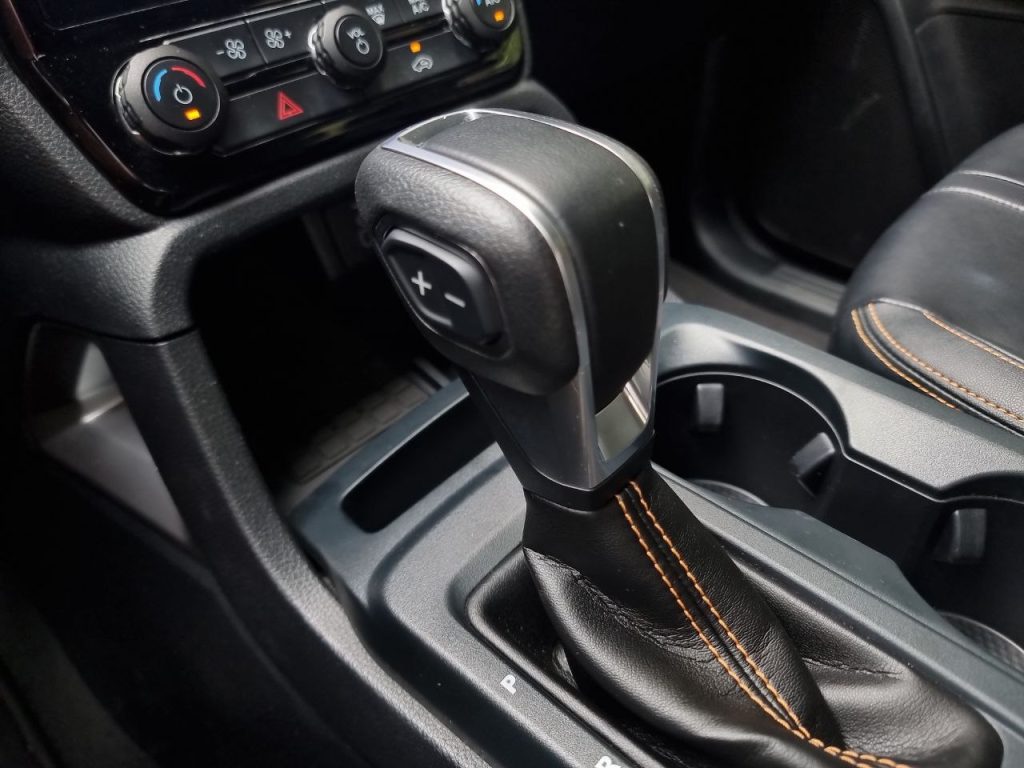
The 210 horses under the hood were not a single one wasted. Speed came not as a boast, but as a quiet promise: you’re covered—just drive. And with 500 Newton-meters of torque arriving as early as 1,750 rpm, the muscle was always there, waiting for your cue.
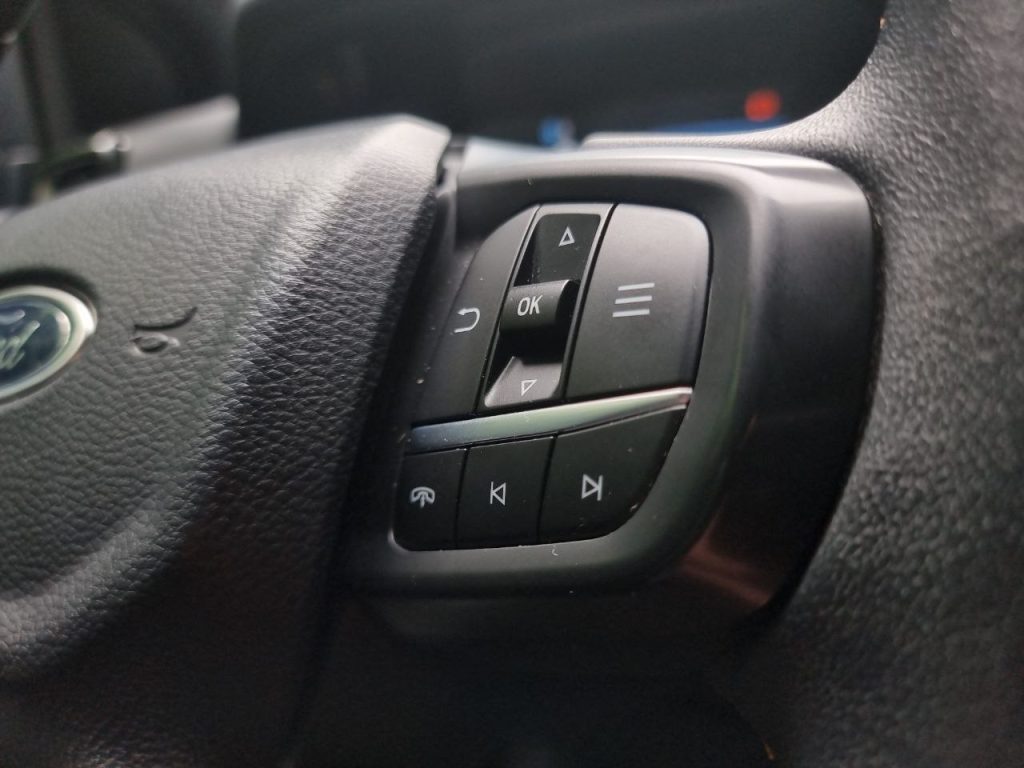
Ford added a manual plus-and-minus button on the shifter. At first, it feels awkward—like a tiny button trying to cosplay as paddle shifters. But give it time, and it blends into the rhythm. It’s like the getting-to-know stage with a new friend: the quirks that annoy you at first eventually grow into character.
2. An Interior Like No Other. Step inside and the Wildtrak greets you with a resounding wow. Ford clearly went the extra mile here, borrowing cues from the Everest. The 12-inch portrait-style touchscreen dominates the cabin—perfect for Waze, GPS, or just reminding you that the future is already here.
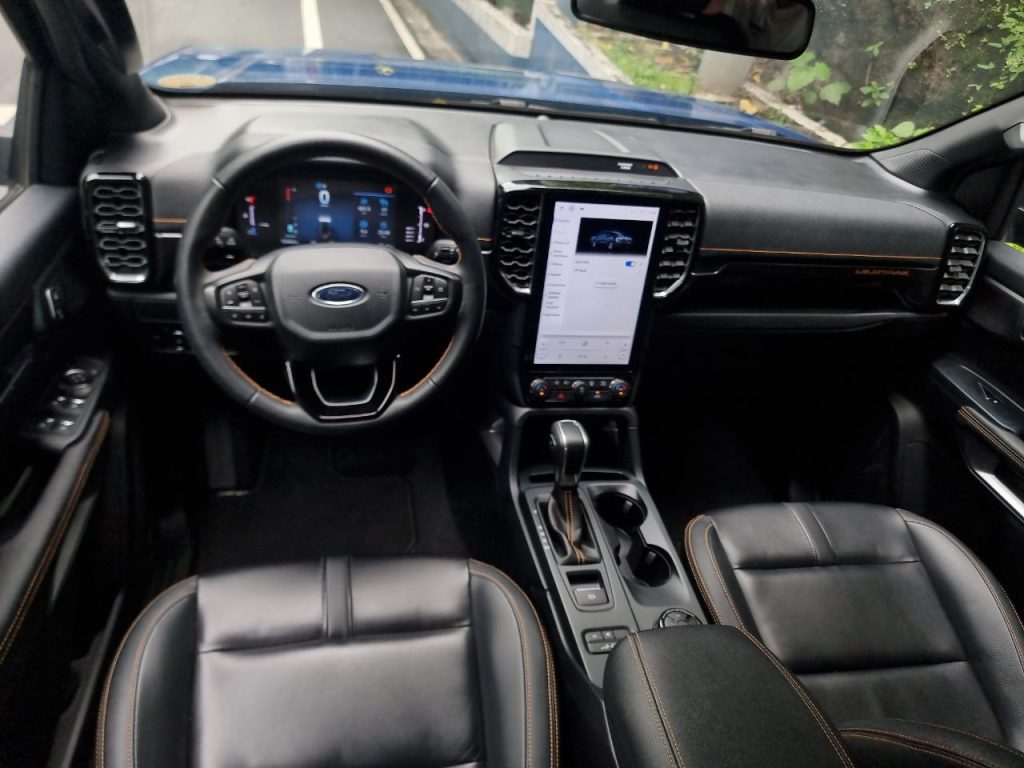
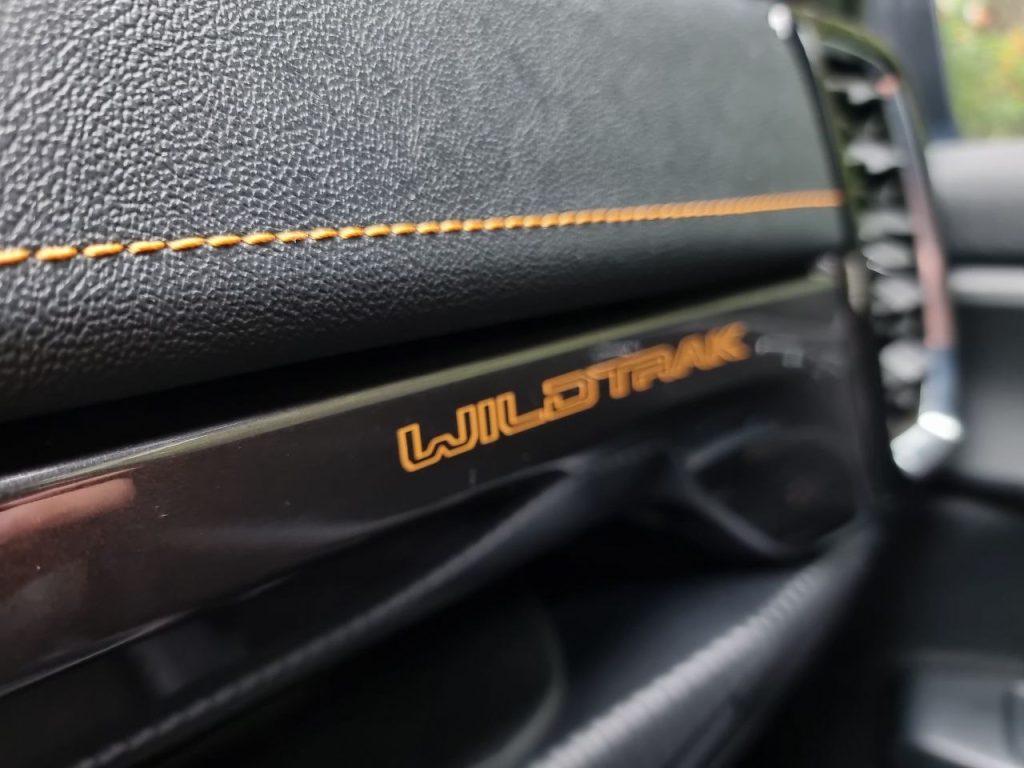
Premium touches run throughout: orange stitching on the steering wheel, seats, and door panels, plus a carbon-finish dash proudly stamped with the Wildtrak name. The steering wheel puts adaptive cruise control on the left spoke and infotainment controls on the right, everything at your thumb’s reach.
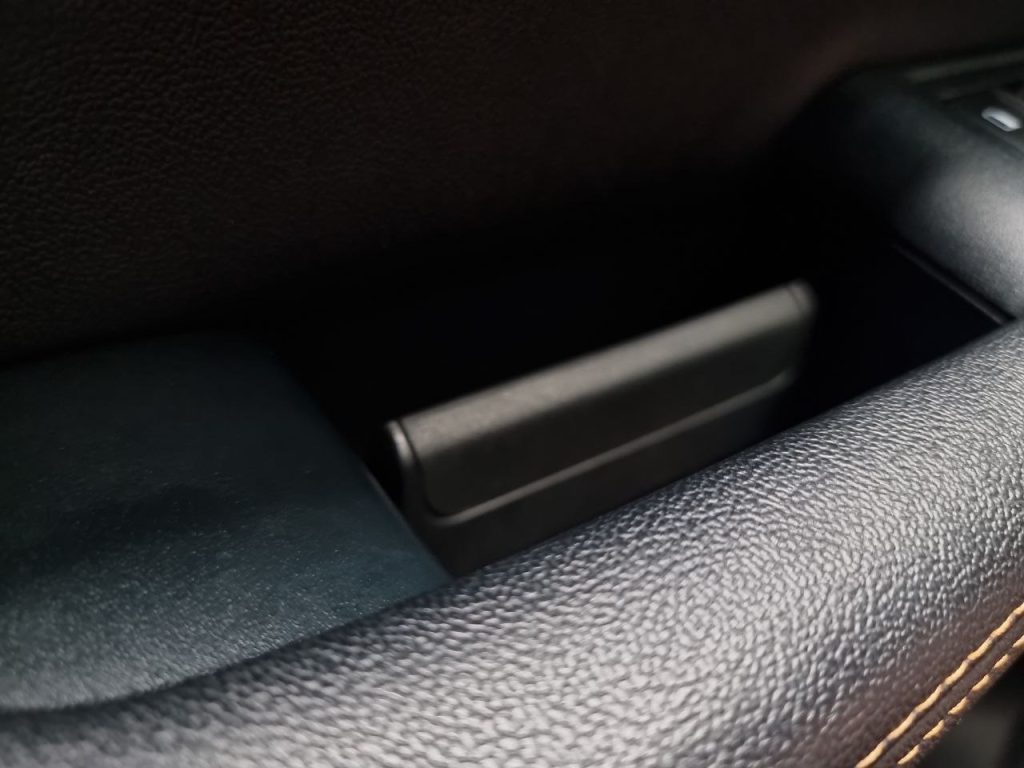
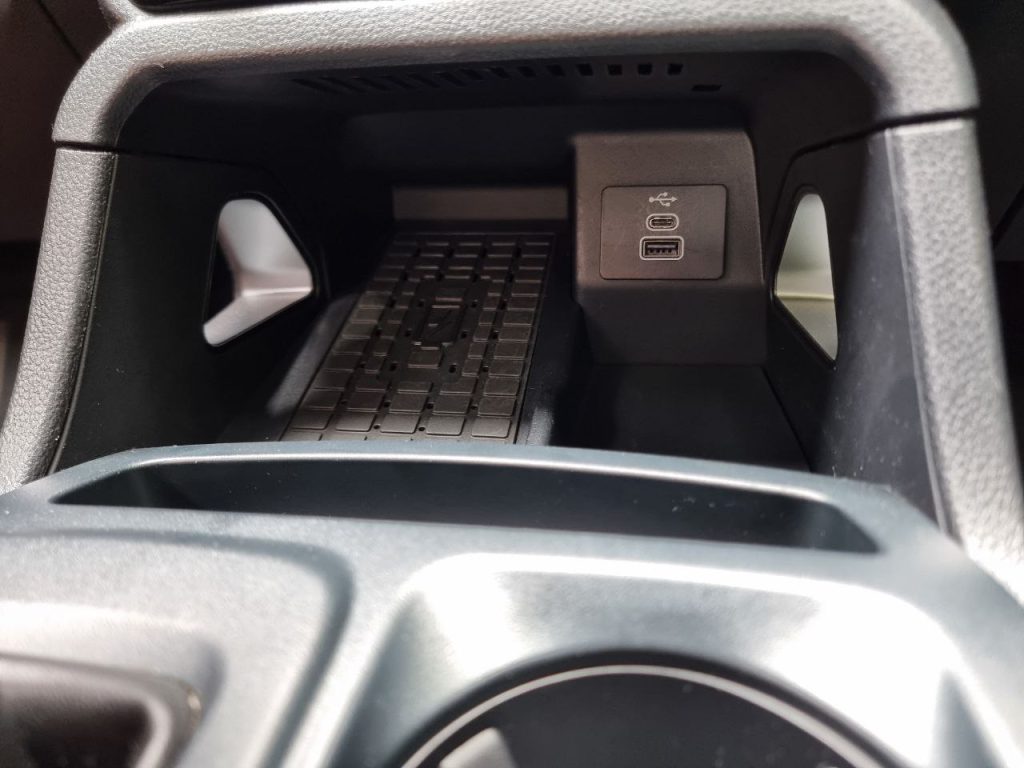
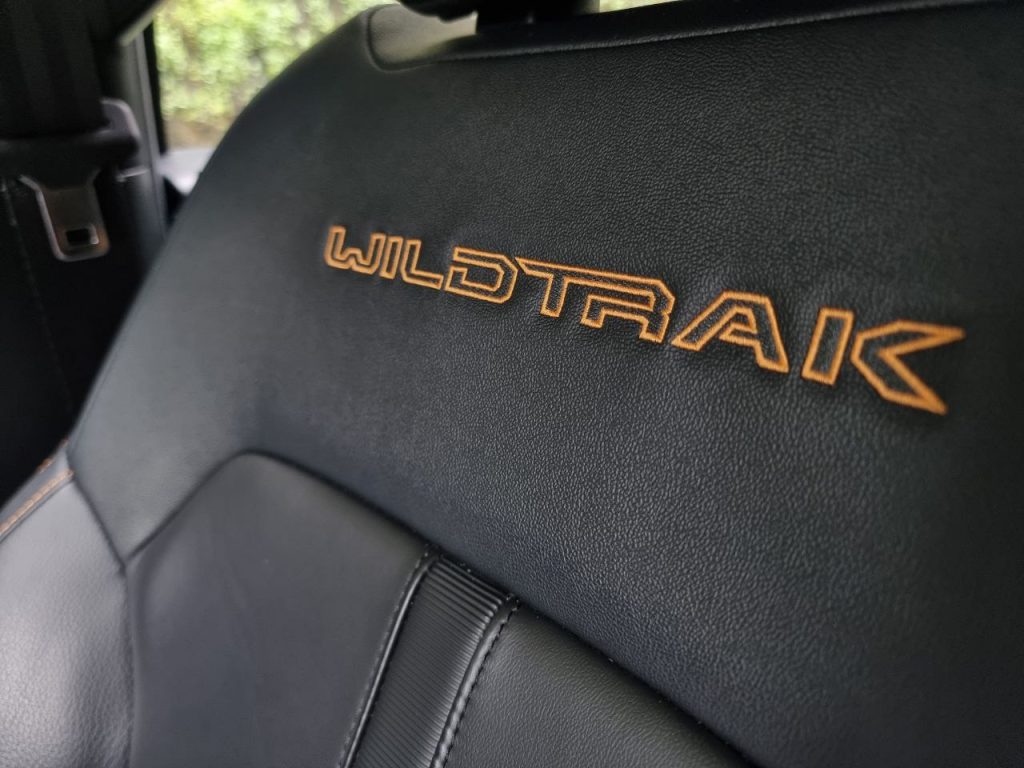
Seats come dressed in synthetic leather with Wildtrak embroidery. The driver gets 8-way power adjustment, the front passenger 4-way manual. At the back, a fold-up bench hides a clever armrest and cupholders that unlock with a tug of a strap—a small but satisfying discovery. The 8-inch digital cluster is clean and legible, while dual USB ports (Type A and C) in both rows and a wireless charger up front keep gadgets alive. Best of all, a 230-volt inverter powers bigger devices. My daughter calls it her laptop’s lifesaver.
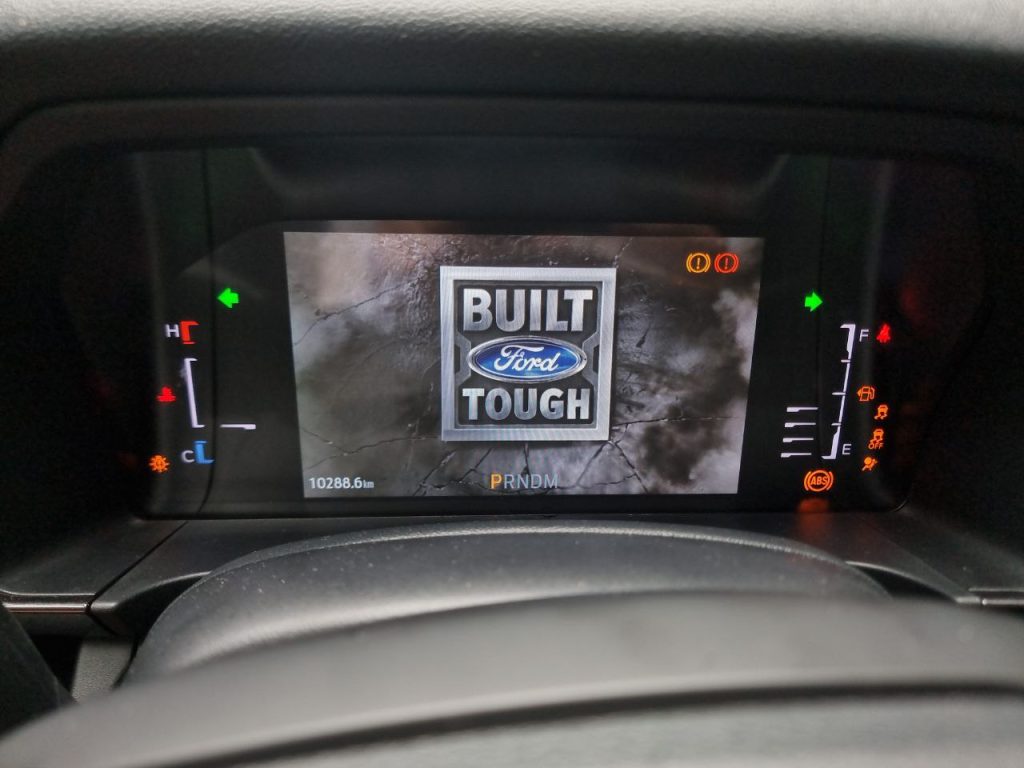
3. Build Ford Tough, Proven on the Road. “Built to Last” has given way to “Built Ford Tough.” And nowhere does that tagline sit more comfortably than in the Ranger. You see it flash on the screen the moment you push the start button—a digital handshake between truck and driver.
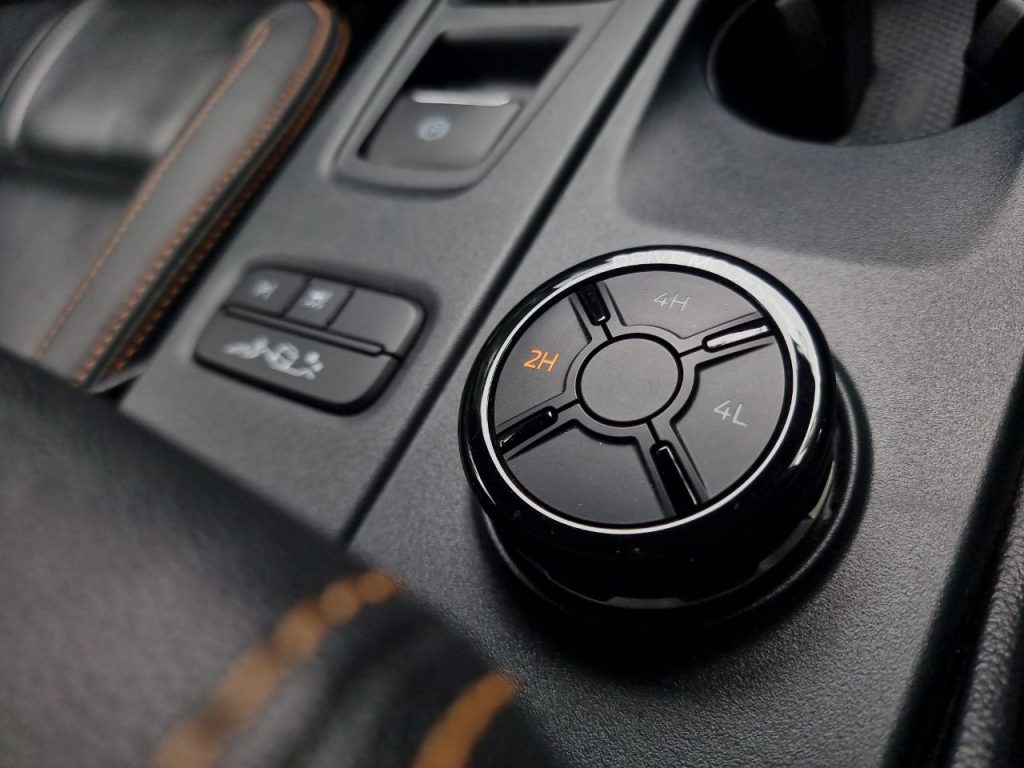
But slogans are only poetry until tested. The Ranger offers three drive modes: 2H (two-wheel high), 4H (four-wheel high), and 4L (four-wheel low). On highways, I stayed in 2H, netting 9.5 km/L—no small feat for a Spartan of this size.
But on the Laguna loop via Tanay–Pililla to Paete, things got steeper. Here, 4L came alive. Low-range gears let the Ranger claw up slopes with mountain-goat patience. In twisties, the torque bit down hard, steadying the truck through winding climbs. And on flatter stretches toward Caliraya and Cavinti, 2H delivered effortless steering and strong efficiency.
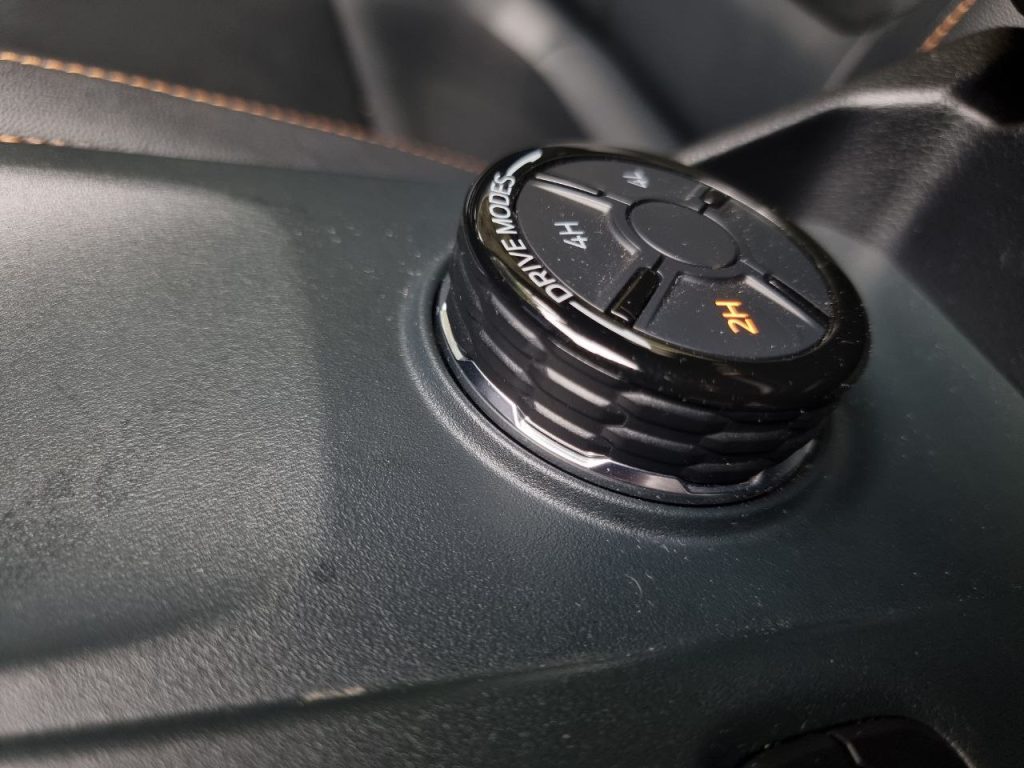
I didn’t get to throw it into harsher off-road trails, but the Ranger made one thing clear: its reserves of power and grit are always waiting for the call.
4. Safety You Can Count On. Ford arms the Wildtrak with the full alphabet of safety: seven airbags, ABS with EBD, ESP with traction control, and ISOFIX mounts for child seats.
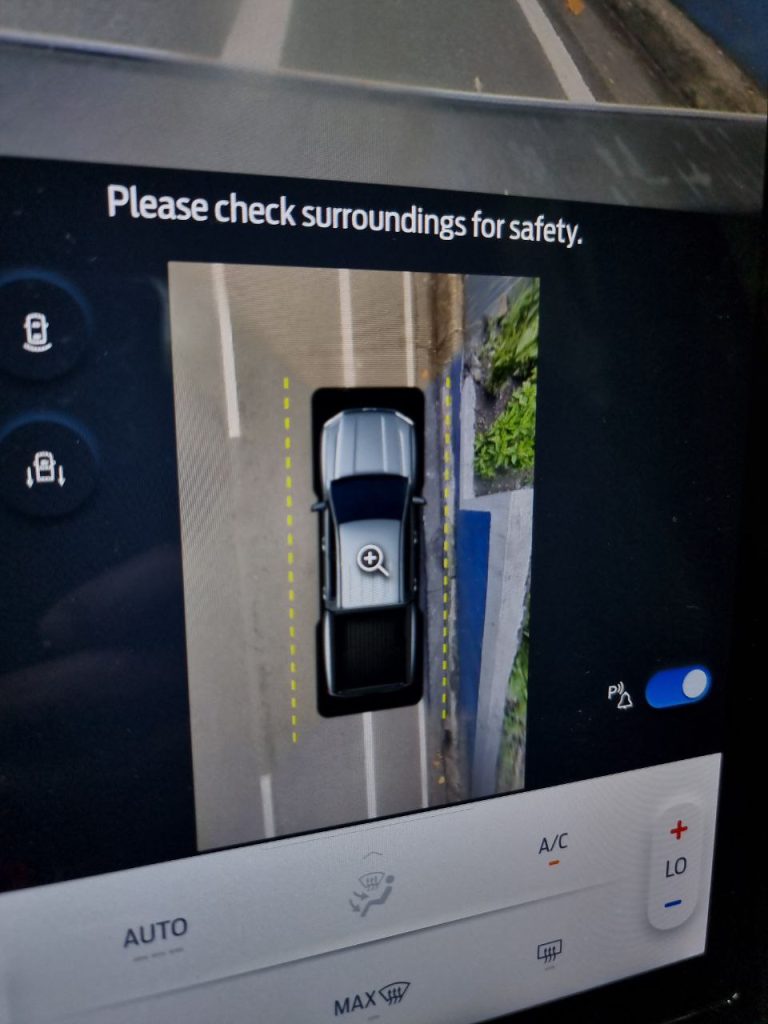
But it doesn’t stop there. The 360-degree camera, adaptive cruise control, autonomous emergency braking, lane keeping aid, blind spot monitoring, and cross-traffic alert are all here. Add hill launch assist, roll-over mitigation, parking sensors, and an electronic parking brake, and you’ve got a truck that feels wrapped in a safety net.
One standout feature is Auto Hold. A green hand lights up on the dash when engaged, keeping the vehicle firmly in place—even in Drive—until you press the accelerator. No creeping, no surprises. A small thing, maybe, but a lifesaver for drivers still struggling with pedal control.
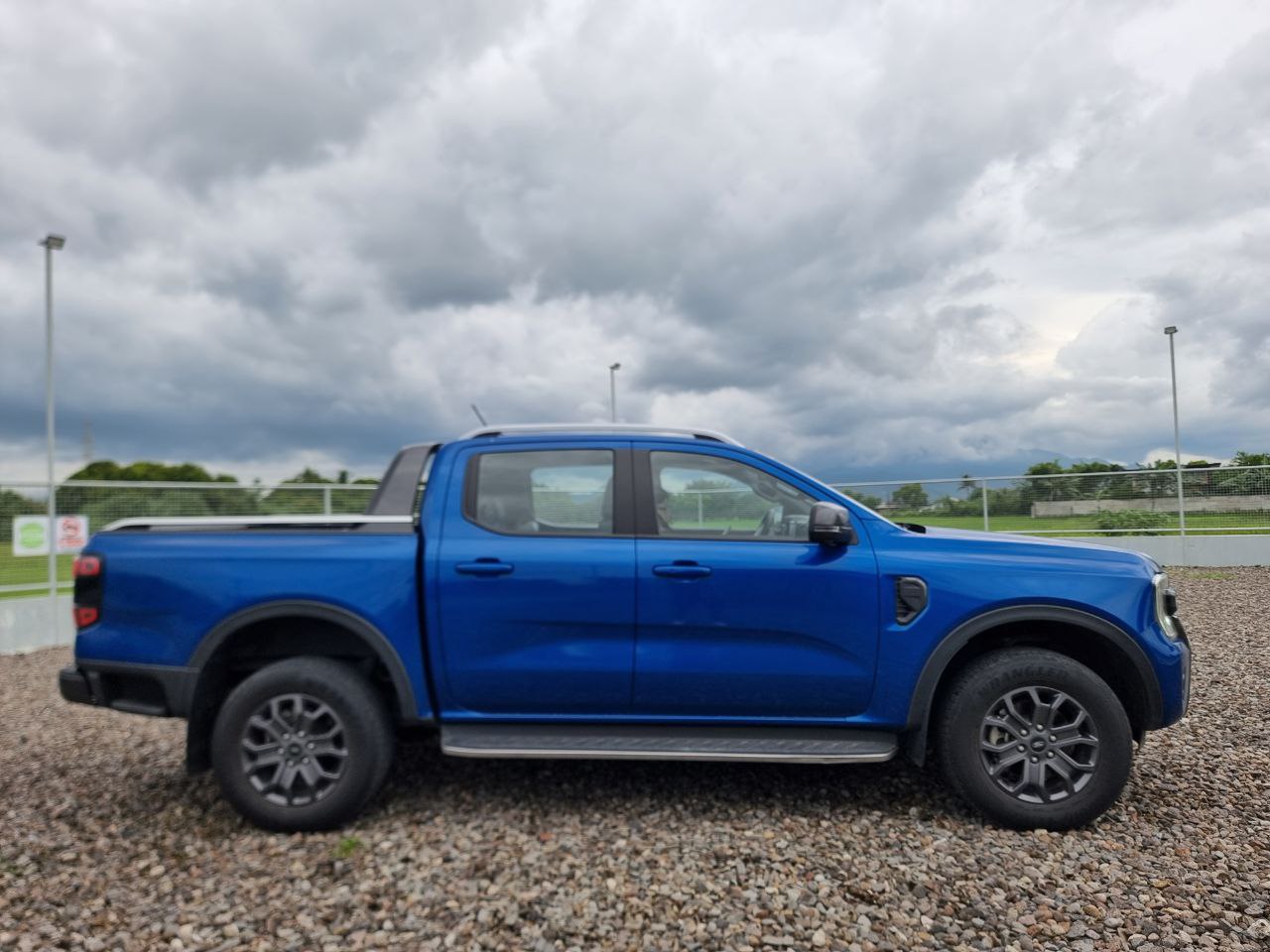
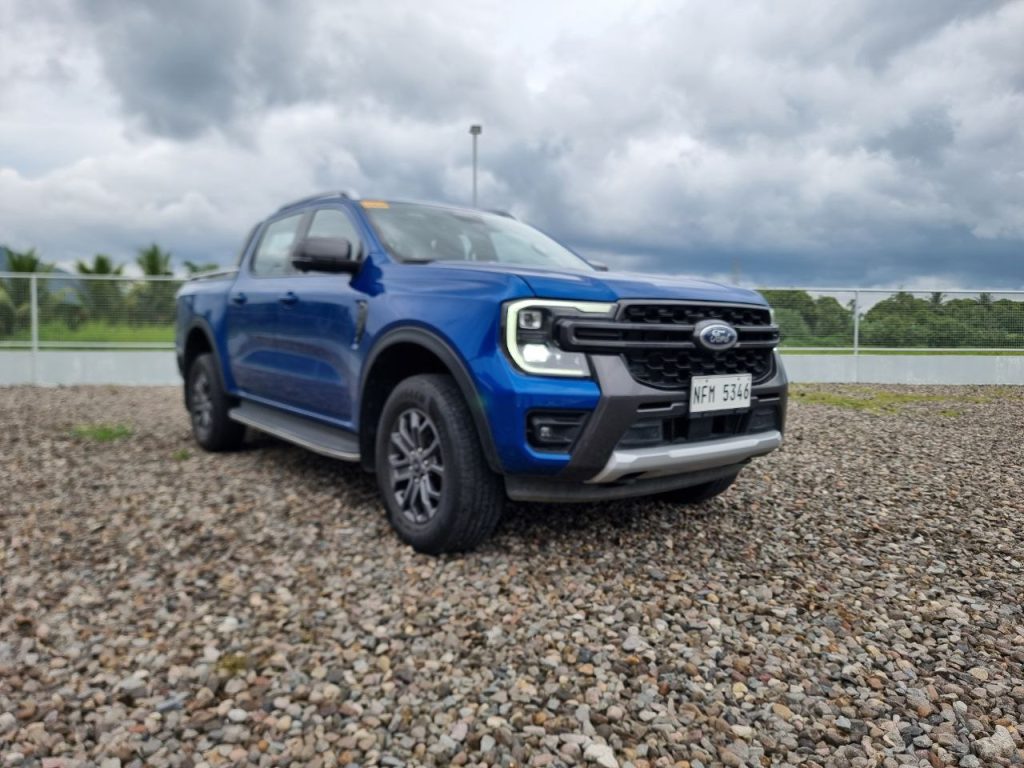
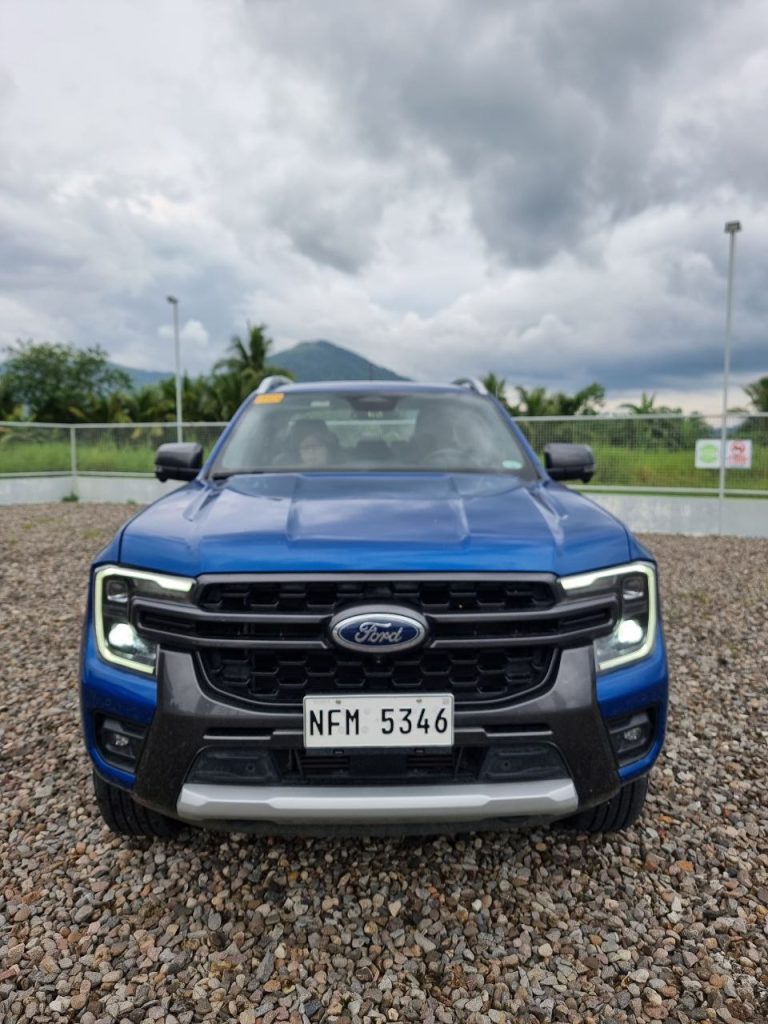
5. Larger Than Life. At first glance, the Wildtrak could be mistaken for its Everest sibling: same hood, same grille, same C-clamp DRLs, same LED matrix headlights. But where the Everest wears them with polish, the Ranger wears them with grit.
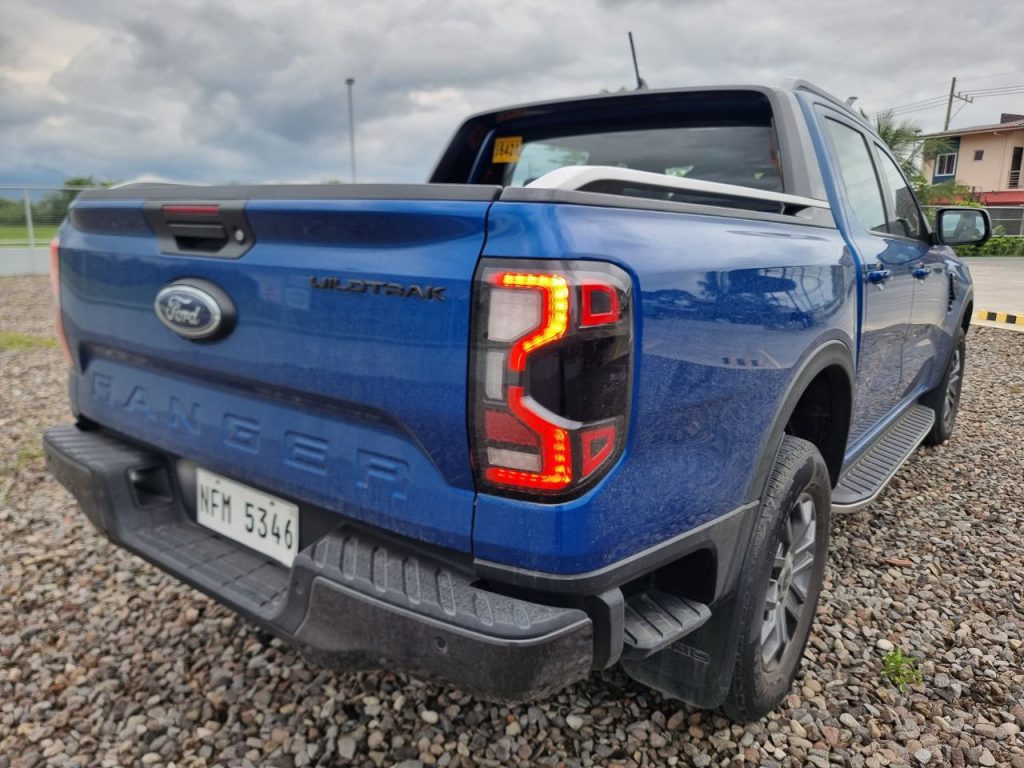
On paper, it stands 5,370 mm long, 1,918 mm wide, 1,884 mm tall. Ground clearance? 235 mm. Water wading? 800 mm. Numbers that impress, but don’t capture the way it looms. The 18-inch alloys complete the look—not just wheels, but boots meant for stomping through mud, rock, and city traffic alike.
At PHP 2,340,000, the 4×4 Ford Ranger Bi-Turbo Wildtrak isn’t just another ordinary pick-up you drive. From its brawny build to its smart tech, from its commanding stance to its relentless performance, this truck does more than move you from point A to point B—it makes every drive an experience worth remembering.